English name: Dried Oyster
Chinese name: 乾蠔豉 (Mandarin: háo chǐ / Cantonese: gon1 oi3 si6)
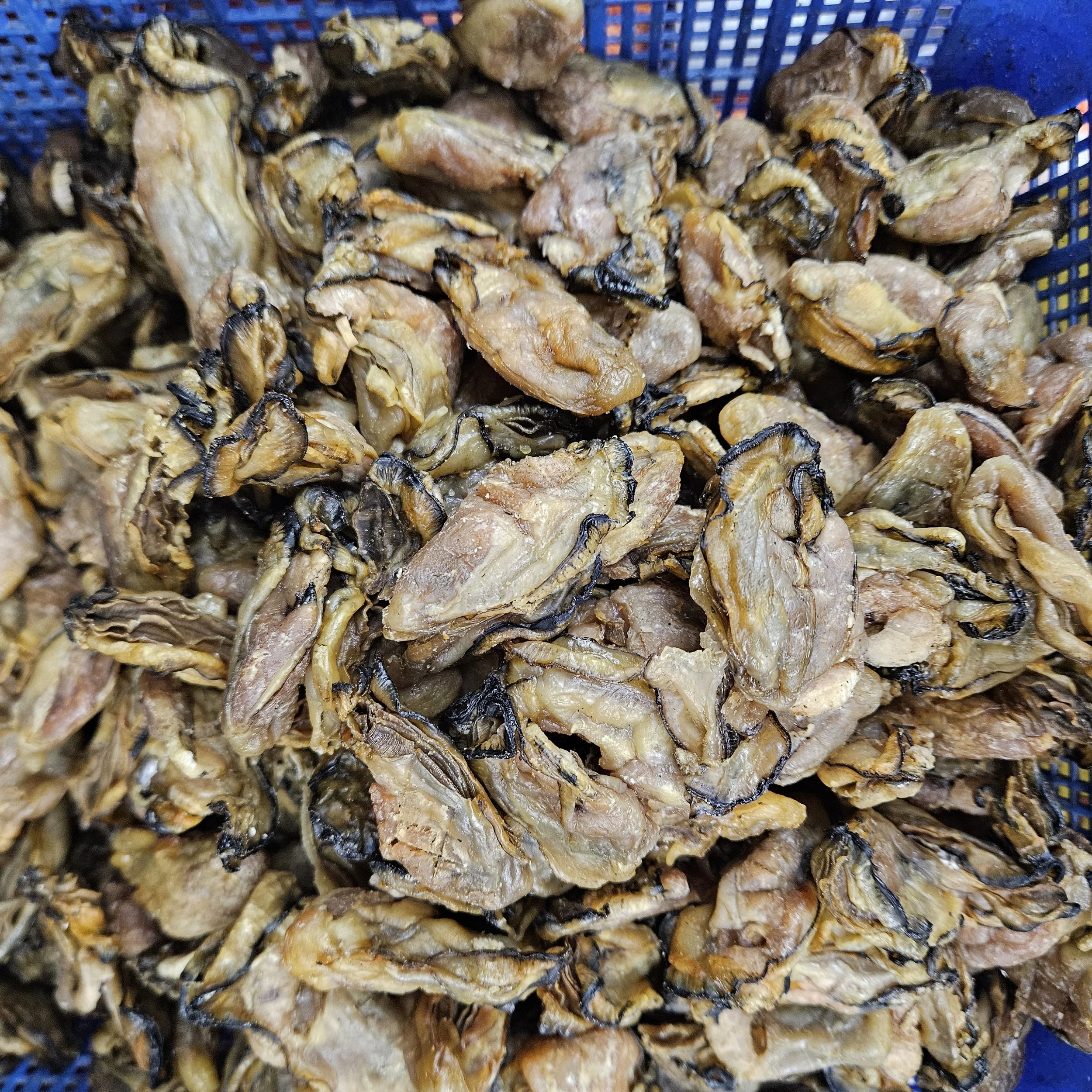
Dried oysters are made by sun-drying or gently dehydrating fresh oyster meat. Highly prized in Southern China, especially in Guangdong, they are a classic ingredient in Cantonese cuisine. When added to soups, they instantly elevate the broth with a deep, savory ocean richness.
Rich in protein and essential nutrients, dried oysters are traditionally valued for supporting overall vitality. In Chinese herbal food culture, they are believed to nourish yin, replenish qi and blood, and strengthen the kidneys, making them a treasured ingredient for wellness and beauty.
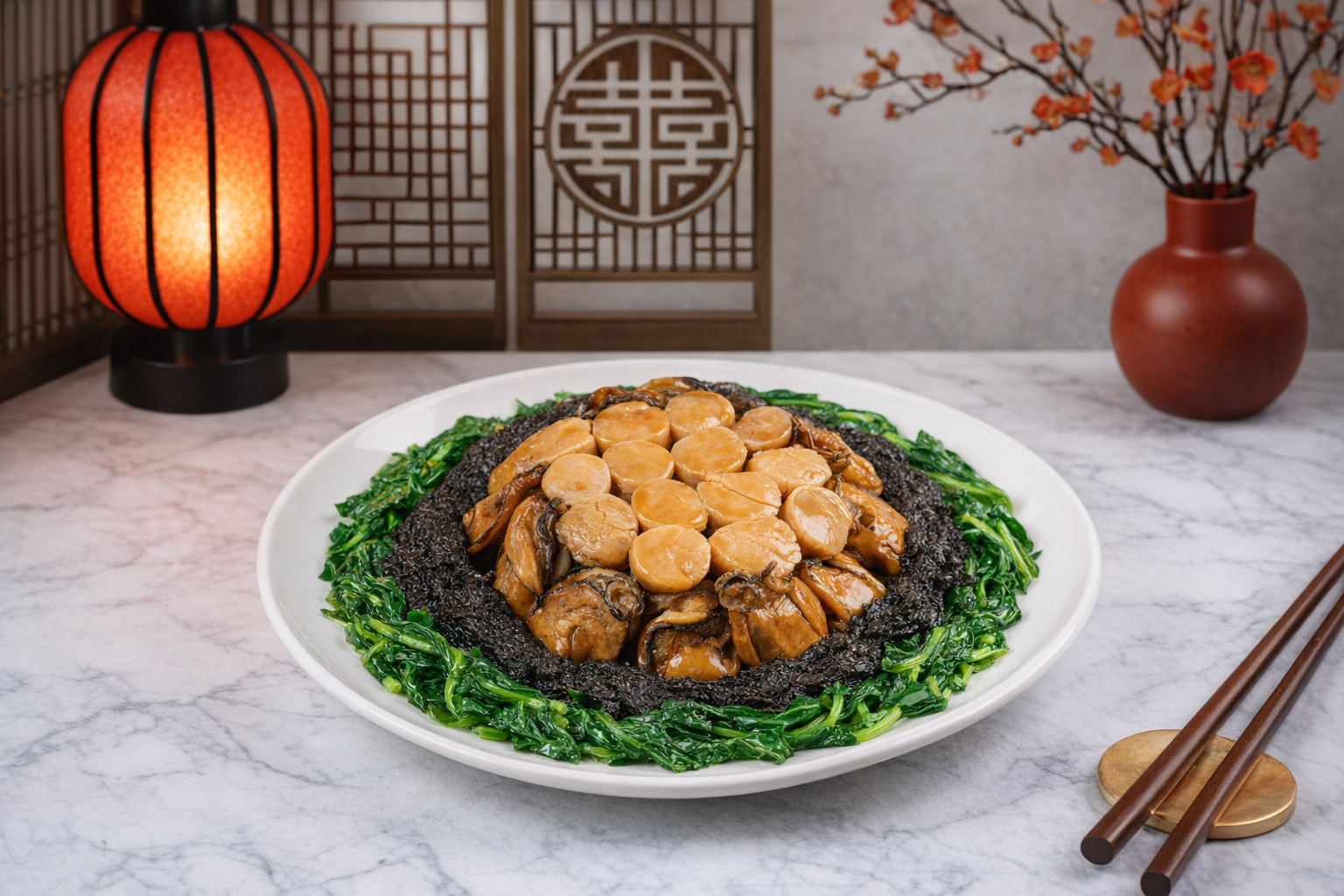
In Cantonese culture, dried oysters are also beloved for their auspicious symbolism. The pronunciation of “oyster” “好事” (hao shi) sounds like “good things,” and when paired with black moss “髮菜” (fat choy), it forms the festive dish “Fat Choy Hao Shi” — symbolizing prosperity and good fortune. It remains a must-have delicacy during Lunar New Year and other important celebrations.
What is Dried Oyster?
-
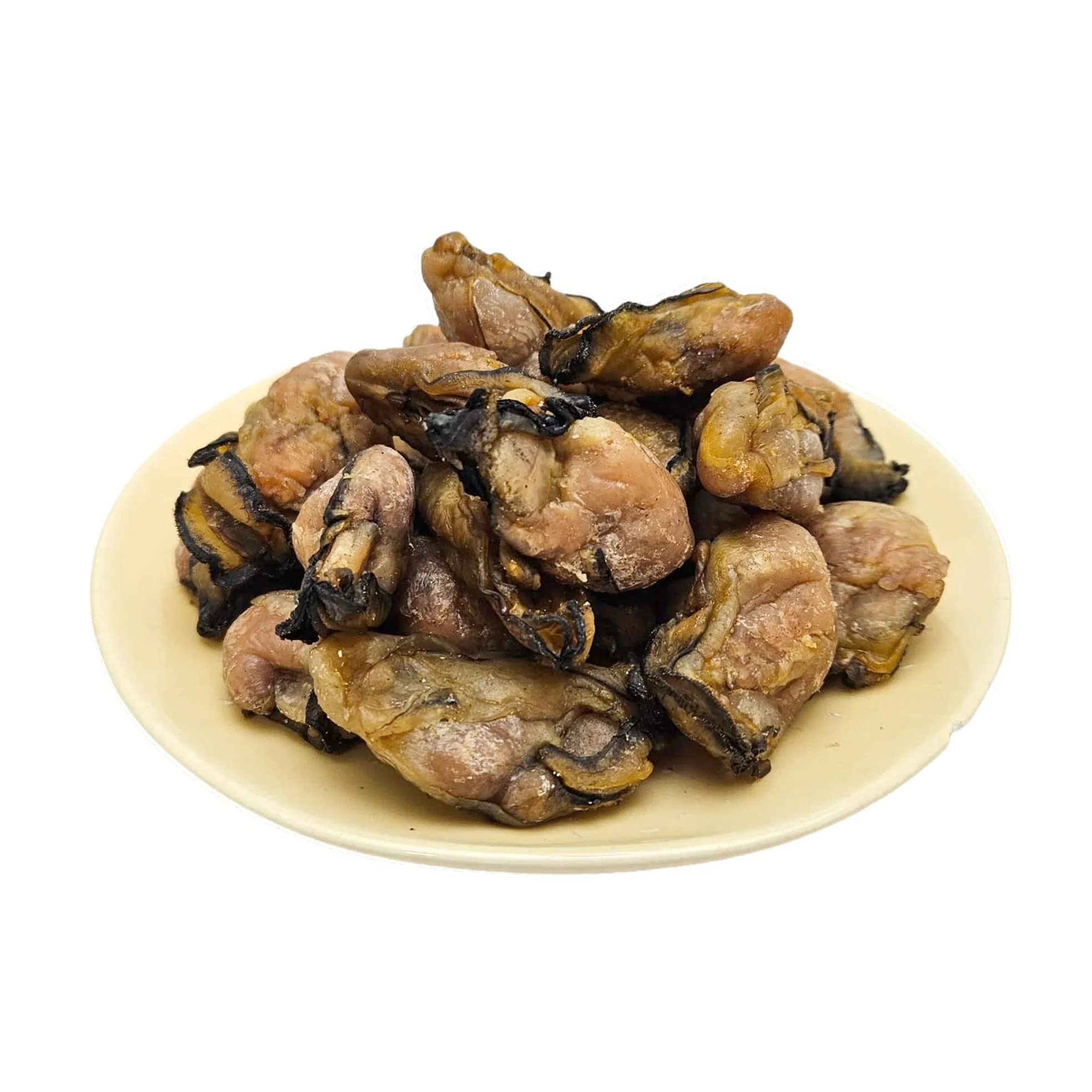
Dried oysters are not only flavorful but also exceptionally nutrient-dense—earning them the nickname “Milk of the Sea“.
Golden oysters are made from larger oyster meat, making them juicy, plump, and richly flavorful. They have a thicker, tender yet elastic texture with a pronounced oily aroma, delivering an indulgent taste experience.
Popular origins of golden oysters include Zhanjiang, Guangdong and Lianjiang and Pingtan, Fujian, where mature aquaculture techniques produce high yields. In contrast, regions such as Hiroshima and Sanriku in Japan produce smaller quantities, making these oysters more expensive and considered a premium ingredient.
String-dried oysters have a milder flavor and a firmer texture compared to golden oysters, making them ideal for home-style soups, congee, or everyday cooking. They are commonly sourced from Zhanjiang, Guangdong and Lianjiang and Pingtan, Fujian, and Japan.
Summary:
Japanese oysters: Rich in oils and flavor, making them the top choice for premium soups and braised dishes.
Chinese oysters: Cultivated using mature techniques, with thick, plump meat and a strong umami taste.
Southeast Asian oysters: More affordable, generally smaller in size, with a milder flavor.
-
Nutrient-Rich: Dried Oysters provide protein, iron, zinc, and omega-3 fatty acids for overall health.
Immune Support: Packed with antioxidants, vitamin D, and vitamin B12, they strengthen the immune system and aid cellular function.
In traditional chinese medicine perspective, dried oysters are considered salty and cooling in nature. They are traditionally used to nourish yin, reduce internal heat, soften hardness and resolve stagnation, and support liver function and detoxification. They are often recommended for individuals who frequently stay up late, experience dry mouth, or feel physically weakened.
How to select Dried Oyster
To select premium dried oysters, pay attention to the following aspects:
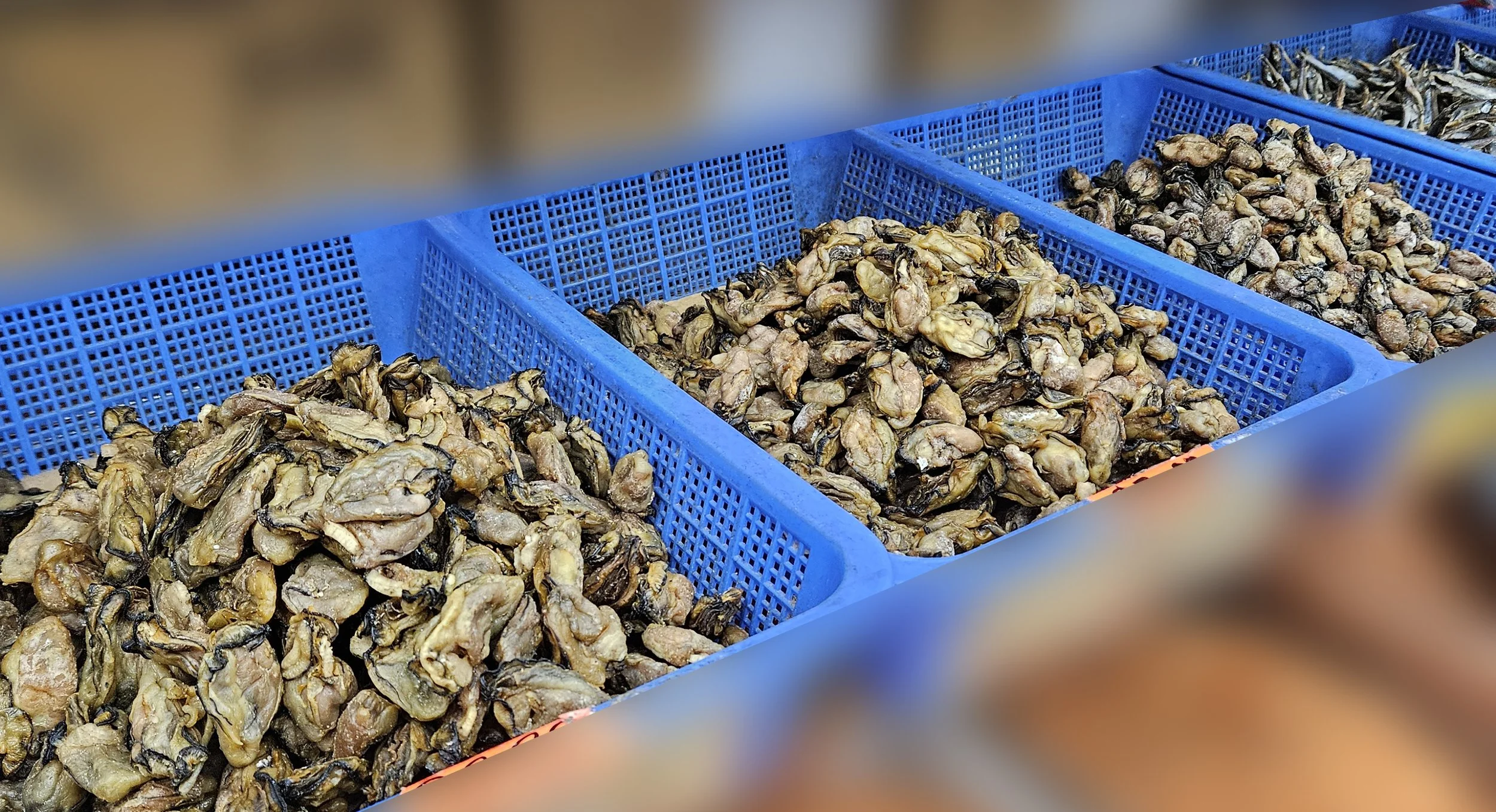
Appearance:High-quality dried oysters are large, plump, and thick, with a solid texture rather than hollow inside. If they look too small, thin, or crumble easily when pinched, the quality is likely inferior.
Texture:Good dried oysters should feel firm yet slightly pliable. When pressed gently, they should have a bit of resilience. If they are overly brittle, it may mean they were dried too aggressively or stored for too long.
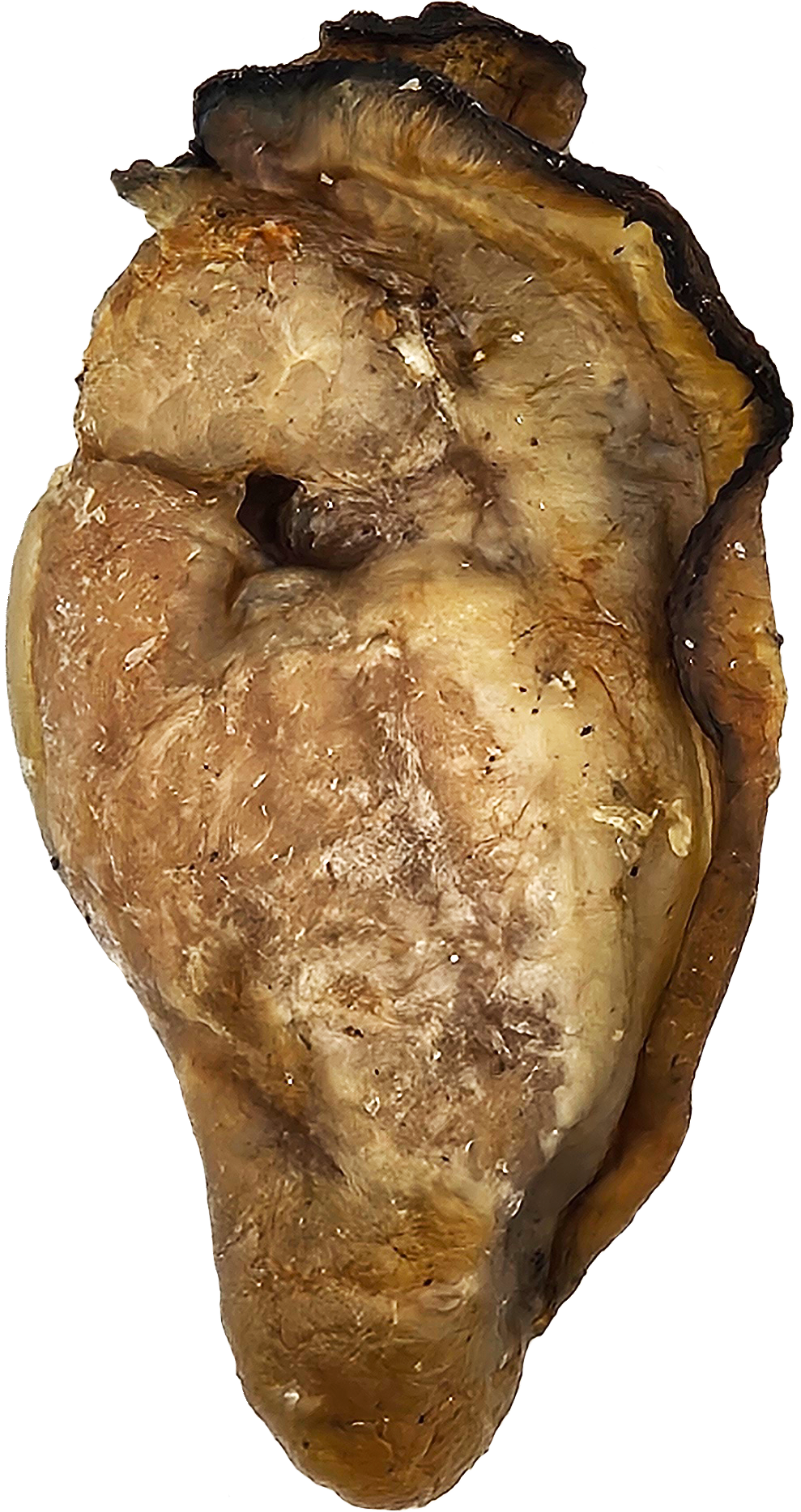
Color:Premium dried oysters have a natural hue—light yellow, amber, or light brown—with a slight sheen on the surface. If the color appears very dark, dull, or burnt, it may indicate over-roasting at high temperatures, which reduces freshness and flavor.
Aroma:A mild ocean scent is normal. Avoid dried oysters with any sharp chemical smell, sourness, or moldy odor, as these are signs of improper processing or poor storage.
Origin:
Japan is known for producing top-grade dried oysters with rich oils, excellent color, and superior flavor—ideal for braising or soup-making.
Coastal regions in Zhanjiang and Fujian are also famous for high-quality oysters, thanks to clean waters and mature aquaculture techniques.
How to Soak Dried Oyster
Proper rehydration is the key to bringing out the rich, savory taste of dried oysters.
Rinse Thoroughly
During the drying process, oysters can accumulate fine sand. Before soaking, rinse them carefully. Gently rub with your hands or use a soft brush to clean, especially around the cavity where sand and impurities tend to hide. Make sure all grit is removed for a smooth, clean taste.
Soak to Soften
Once cleaned, soak the oysters in cold or warm water. Typical soaking time is 4–6 hours, but for a softer, more tender texture, you can extend it to 8–10 hours. Properly soaked oysters will regain their plumpness and silky mouthfeel, ready for soups, braises, or other dishes.
Tips:
Soaking Time: Longer is not always better. Over-soaking can make oysters too soft and mushy, causing them to lose their natural elasticity. The ideal texture is when you can gently pinch them with your fingers—they should feel tender yet still slightly resilient.
Change Water Midway: For longer soaking periods, it’s recommended to replace the water once or twice. This helps remove impurities and reduce any lingering oceanic odor.
Plan Ahead: Soaking takes time, so it’s best to start the night before or at least a few hours in advance. This ensures the oysters are ready to cook the next day without delay.
A typical Cantonese Lunar New Year Dish: dried oyster with black moss and dried scallops over a bed of spinach.